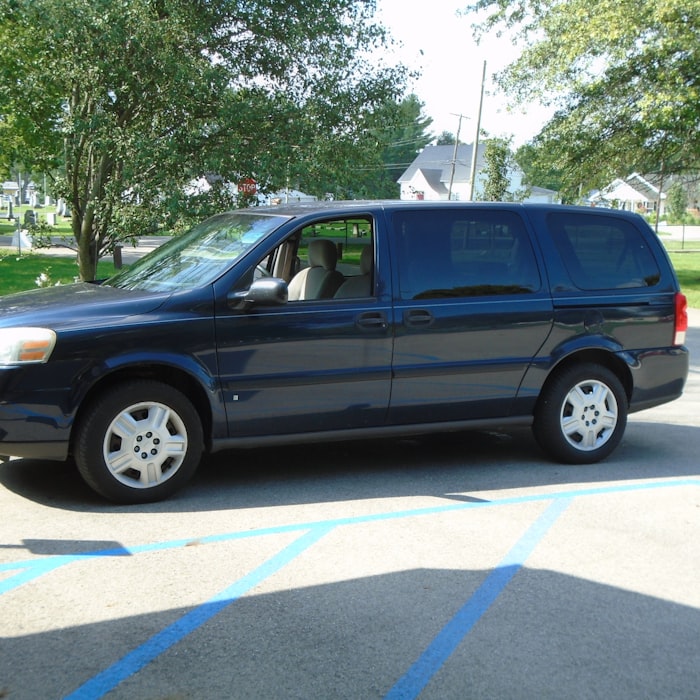
The 12 Things You Should Check in 10 Minutes When Viewing a Used Car (UK Guide 2026)

Limited Offer
Click the image below to apply the discount and continue to enter your REG plate.

At TopCarCheck, we’ve looked at thousands of vehicle checks across the UK and seen the same patterns again and again. Many costly mistakes could have been avoided with a simple, structured check during the viewing.
If you are still deciding what car to go for, you can start here:
Best Used Cars in the UK - What to Buy and What to Avoid
This guide focuses on what you can do on the spot - quickly, confidently, and without needing specialist knowledge - save this list and keep it handy when you go look for your next car!
Why a Quick Check Is So Powerful
Most buyers focus on how the car looks and drives. That matters - but it’s not the full picture.
A short inspection can reveal early warning signs of:
poor maintenance
accident repairs
heavy usage
possible hidden issues
Think of it as a first filter. If something doesn’t feel right here, it probably isn’t worth taking further.
The 12 Checks That Can Save You Thousands
These are simple checks you can do in around 10 minutes, even if you’ve never bought a car before.
1. Make Sure the Car Matches the Documents
Start with the basics.
Check that:
the number plate matches the logbook
the VIN number lines up with the paperwork
nothing looks altered or tampered with
If anything doesn’t add up, it’s a serious red flag.
2. Walk Around the Car Slowly
Take your time and look closely.
You’re checking for:
uneven gaps between panels
slightly different paint shades
signs of repairs
These details can point to previous damage.
This is something that often shows up in high-volume cars like the Fiesta:
Used Ford Fiesta Buying Guide - The Years to Avoid
3. Look Closely at the Tyres
Tyres are one of the easiest ways to judge how a car has been looked after.
Watch for:
uneven wear across the tyre
very low tread
mismatched brands
These can hint at alignment issues or cost-cutting on maintenance.
4. Sit Inside and Check for Wear
The interior tells a story.
Pay attention to:
seat condition
steering wheel wear
pedal condition
If a car claims low mileage but looks worn out inside, something doesn’t quite add up.
5. Start the Engine From Cold
Ideally, the engine should be cold when you arrive.
When you start it:
listen for rattles or knocking
notice how quickly it settles
check for vibrations
A smooth start is a good sign.
6. Watch the Dashboard Lights
Turn the ignition on and observe the dashboard.
All warning lights should:
appear briefly
then disappear after startup
If lights stay on, the car may have underlying issues.
7. Try the Gears
Whether manual or automatic, gear changes should feel natural.
Look out for:
resistance or stiffness
delays in automatic shifting
jerky movements
Gearbox issues can be expensive, especially in cars like the Golf and A3:
Used Volkswagen Golf Buying Guide - Common Problems
Used Audi A3 Buying Guide - Hidden Issues to Look For
8. Take a Quick Look Under the Bonnet
You don’t need technical knowledge here.
Just check for obvious signs like:
leaks
very low fluid levels
excessive dirt or corrosion
A well-kept engine bay usually reflects careful ownership.
9. Check the Exhaust While Running
Once the engine is on, glance at the exhaust.
Smoke can indicate problems:
blue - oil burning
white - possible coolant issue
black - fuel imbalance
A small puff on startup can be normal, but ongoing smoke is not.
10. Review the MOT History
If possible, check the MOT records before or during the viewing.
You’re looking for:
consistent mileage progression
repeated advisories
anything that keeps coming back
This helps you understand how the car has been maintained over time.
11. Have a Proper Conversation With the Seller
Don’t be afraid to ask questions.
A genuine seller should be comfortable discussing:
how long they’ve owned the car
why they’re selling
any issues or repairs
If something feels vague or rushed, trust your instinct.
12. Always Check the Car’s History
Even if everything looks perfect, you still need to check what you can’t see.
Use TopCarCheck to find out:
if there is outstanding finance
whether the mileage is consistent
if the car has been written off
if it has been reported stolen
Some of the biggest problems are completely invisible without this step.
What You Can Spot in Just 10 Minutes
You might be surprised how much these checks can reveal.
Common Issues Spotted Quickly
Issue Type | % Detected During Viewing |
|---|---|
Visible damage | 70% |
Interior wear mismatch | 58% |
Warning lights | 46% |
Tyre or suspension concerns | 52% |
But remember - these checks only cover what you can see. Hidden risks still require a full history check.
Where Buyers Often Go Wrong
Even careful buyers can miss things.
Some common mistakes include:
making a decision too quickly
trusting the seller without verifying details
overlooking small warning signs
skipping a proper history check
It’s often the small things that turn into expensive problems later.
Why This Matters for Popular Cars
These checks are important for any car, but especially for models that are widely bought and sold.
For example:
Ford Fiesta - often shows signs of heavy use
Used Ford Fiesta Buying Guide - The Years to AvoidVolkswagen Golf - known for gearbox concerns
Used Volkswagen Golf Buying Guide - Common ProblemsBMW 3 Series - higher chance of finance still attached
Used BMW 3 Series Buying Guide - What to Check FirstNissan Qashqai - common wear from family use
Used Nissan Qashqai Buying Guide - Reliability and History Risks
Final Thoughts
You don’t need to overcomplicate things when viewing a used car.
A calm, methodical 10-minute check can help you spot most of the warning signs that matter.
The key is to:
slow down and look properly
pay attention to small details
ask the right questions
double-check everything afterwards
Before committing to any purchase, run a full check at TopCarCheck so you know exactly what you’re buying.
And if you’re still weighing up your options, head back to the main guide:
Best Used Cars in the UK - What to Buy and What to Avoid
Limited Offer
Click the image below to apply the discount and continue to enter your REG plate.
Enter Registration Number
Enter a UK vehicle registration to start your check